I get asked about Act 250 a lot, usually with a worried tone, like the person expects me to tell them their land sale is stuck in some state permitting maze. Almost every time, once we talk it through, it turns out Act 250 has nothing to do with their situation at all.
Act 250 is Vermont's land use and development law from 1970. It was built to review big projects, not to slow down a landowner in Newfane who wants to sell forty acres of woods along the West River. I want to walk through what Act 250 actually touches when it comes to selling undeveloped land in Windham County, and where the real lines are.
The Simple Truth About Selling One Parcel
If you own one lot, whether it's five acres off a Class 4 road outside Townshend or eighty acres up on a ridge in Wardsboro, and you sell it as-is, in its current configuration, you are not triggering Act 250 review. A sale by itself is not "development" under the statute. Act 250 gets involved when land is subdivided or something gets built on it, not simply when ownership changes hands.
So if your parcel has sat there undeveloped for twenty years and you're ready to sell it, Act 250 is not a hurdle you need to clear before closing. The Windham County town clerk's office will record the deed once your closing attorney has done the title work, same as any other property sale in Vermont.
What Actually Triggers Act 250
Where people get tripped up is when land gets divided before or during a sale. Vermont's subdivision rule under Act 250 generally kicks in once a tract is split into ten or more lots within a five year period. In towns that haven't adopted permanent zoning and subdivision bylaws, that threshold drops to six lots. This matters in Windham County because coverage varies a lot from town to town. Brattleboro has zoning and subdivision regulations in place. Some smaller towns in the West River valley, like Jamaica or Grafton, have thinner local regulations, which can change how quickly Act 250's subdivision threshold applies.
The other trigger that shows up more in this part of the state than people expect is elevation. Any development above 2,500 feet in elevation can fall under Act 250 jurisdiction regardless of lot size or number. That's relevant around Stratton Mountain, Somerset, and the higher elevations near Mount Snow in Wilmington and Dover, where old ski-related development history means Act 250 permits are already woven into the landscape.
Commercial and industrial projects over ten acres, and housing developments of ten units or more, are the other classic Act 250 triggers, but those rarely apply to someone simply selling a raw, undeveloped parcel with no construction plans attached.
Windham County Specifics Worth Knowing
Act 250 applications in this part of the state go through the District 2 Environmental Commission, based in Springfield. If a parcel you're selling has an existing Act 250 permit tied to it, maybe from a past subdivision attempt, an old logging road built as part of a larger development, or a permit connected to a neighboring ski area project, that permit runs with the land. It doesn't disappear when you sell, and it doesn't automatically transfer clean either. This is something your closing attorney will identify during title work, since Act 250 permits and any associated conditions get recorded by the closing attorney's office along with the deed history.
A few things that come up specifically in Windham County:
- Land near Mount Snow and Stratton sometimes carries legacy Act 250 conditions from resort-era development decades ago.
- Towns like Wilmington and Dover have seen enough subdivision activity that local zoning has caught up, while more rural towns like Athens or Windham still have lighter local regulation.
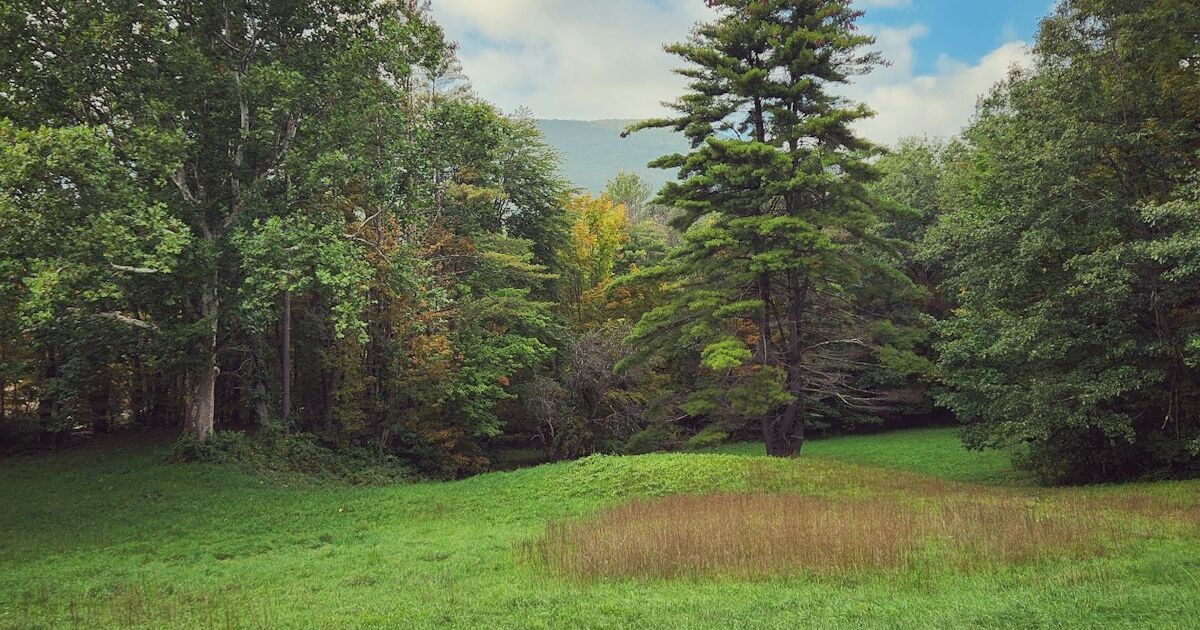
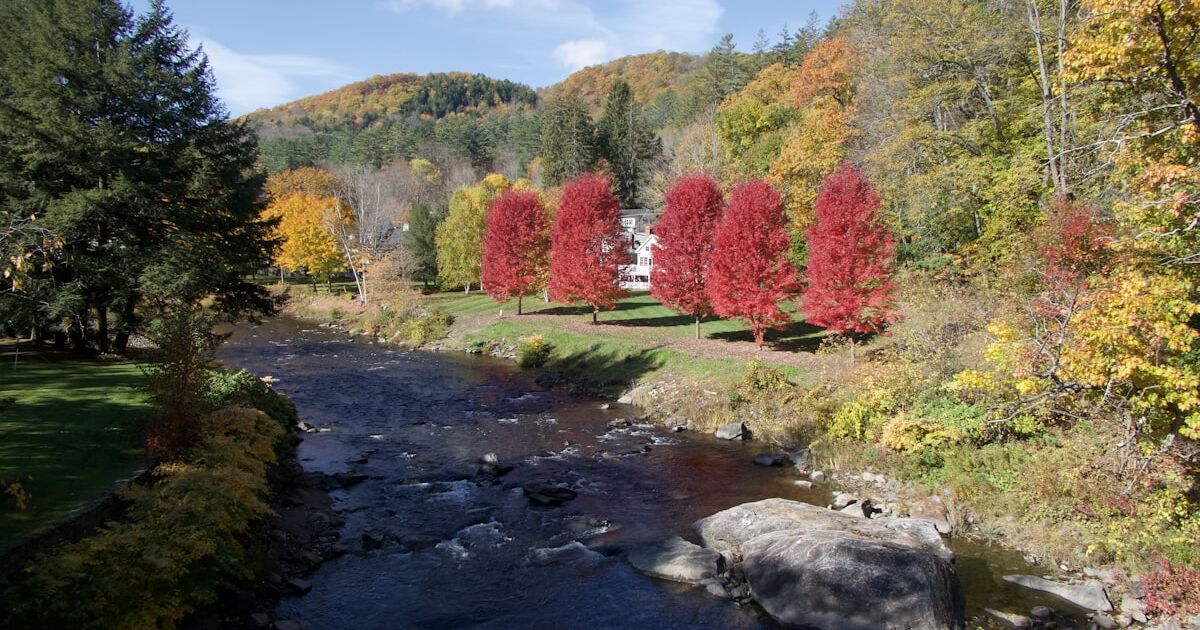
- Parcels along the West River in Townshend, Newfane, and Jamaica are often large, unsubdivided tracts that have never been touched by Act 250 at all, simply because nobody has tried to split them up.
What Buyers Actually Worry About
When I look at a parcel to make a cash offer, Act 250 is rarely the thing that changes my number. What matters more is whether the land has road frontage, whether it's on a Class 4 or unmaintained town road, whether it's in Current Use, and what the Vermont Land Use Change Tax situation looks like if it's enrolled. Act 250 only becomes relevant to a buyer's plans if they intend to subdivide or build something substantial, and even then it's about future permitting, not something that blocks the sale itself.
If you're selling because you inherited land, because the taxes have become a burden, or because you just don't have a use for a back lot in Putney or Vernon anymore, Act 250 almost certainly isn't standing between you and a closing.
What This Means If You're Selling
Here's the practical takeaway. If your parcel is being sold whole, with no subdivision and no construction plans, Act 250 isn't something you need to resolve before you sell. If your land already has an Act 250 permit attached from past activity, your closing attorney will sort out what that means for the deed and disclosures. Either way, it's not something that should scare you off from selling, and it's not something I ask sellers to fix or figure out on their own.
I buy land across Windham County directly, in whatever condition and configuration it's in right now, whether that's a wooded hillside outside Wilmington, a river-adjacent lot in Newfane, or a back parcel near Brattleboro with no road frontage at all. No agents, no listing, no waiting to see if a buyer's financing falls through.
If you've got undeveloped land in Windham County and you want a straight answer about what it's worth, reach out and I'll put together a free, no obligation cash offer. No pressure, and no need to untangle Act 250 questions on your own first.