When Land Comes to You Through a Death in the Family
I've bought land from a lot of families who never planned to own it in the first place. A parent or grandparent held onto a back lot in the Northeast Kingdom for forty years, or a camp lot near the West River in Windham County got passed down, and now it's sitting in an estate with three or four names attached to it and nobody quite sure what to do next.
This is one of the most common situations I run into, so I wanted to lay out how it usually works in Vermont, what probate actually means for the land, and where things tend to get complicated when there's more than one heir.
Probate: What It Means for the Land Itself
If the person who died owned the land solely in their name, it almost always has to go through Vermont probate court before it can be sold. The county probate court (in Vermont these are organized by county, so Windham County probate handles estates for Brattleboro and the surrounding towns, for example) appoints an executor or administrator who has legal authority to act on behalf of the estate.
A few things worth knowing:
- Until an executor is officially appointed by the court, nobody can legally sell the property, even if everyone agrees on what should happen.
- The executor's authority comes from "Letters Testamentary" or "Letters of Administration" issued by the probate court. A buyer's attorney will want to see these before closing.
- Every closing on Vermont real estate, inherited or not, is handled by a licensed Vermont real estate attorney. That attorney runs the title search, prepares the deed and closing paperwork, and records everything's office. This isn't optional and it isn't something I do as the buyer. It's a legal requirement in Vermont and it protects everyone involved.
- If the land was held in a trust, or the deed already named heirs directly (like a transfer-on-death deed, which Vermont now allows), probate may not be needed at all. Worth checking with the estate's attorney early.
Probate in Vermont can move fast for simple estates or drag on for a year or more if there are debts, disputes, or a lot of assets to sort through. Land doesn't have to wait for the whole estate to close in every case, but the sale does need to happen properly through the appointed executor.
Multiple Heirs, One Piece of Land
This is where things get emotional as much as legal. I've talked with families where four siblings inherited forty acres outside Danville, and two wanted to sell, one wanted to build a camp someday, and one just didn't want to deal with it at all.
A few realities worth sitting with:
- If the deed or the estate leaves the land to multiple people as "tenants in common," each heir owns an undivided share. Nobody can unilaterally sell the whole parcel without agreement, or without a legal process to force a sale.
- Getting everyone on the same page early saves a lot of pain later. Even a short family conversation about "are we keeping this or selling it" before hiring anyone can prevent months of back and forth.
- If heirs truly can't agree, Vermont law allows for a partition action through the courts, where a judge can order the land sold and proceeds divided. This is slow, costs money in legal fees, and often leaves everyone worse off than if they'd agreed on their own. I've seen it happen, and it's rarely anyone's first choice.
- When one heir wants to buy out the others, that's also possible, but it still has to be documented properly by an attorney, with a real appraisal or agreed value behind it.
My honest advice, even though I'm the buyer in these stories: talk to the other heirs before you talk to anyone about selling. A five minute phone call between siblings is a lot cheaper than a partition lawsuit.
Current Use and the Land Use Change Tax
If the property has been enrolled in Vermont's Current Use program (officially the Use Value Appraisal program), there's an extra wrinkle heirs need to know about. Current Use lowers the property tax bill by valuing land for its agricultural or forestry use rather than market value. But if the land use changes, commonly through development or subdividing off a house lot, it can trigger a Land Use Change Tax.
Selling raw land to someone who intends to keep it in Current Use, whether for forestry or farming, generally doesn't trigger this tax. But it's something the estate's attorney and the buyer should both be aware of before closing, since it can affect net proceeds. I always ask upfront whether a parcel is enrolled, because it changes how I think about the offer.
A Windham County Example
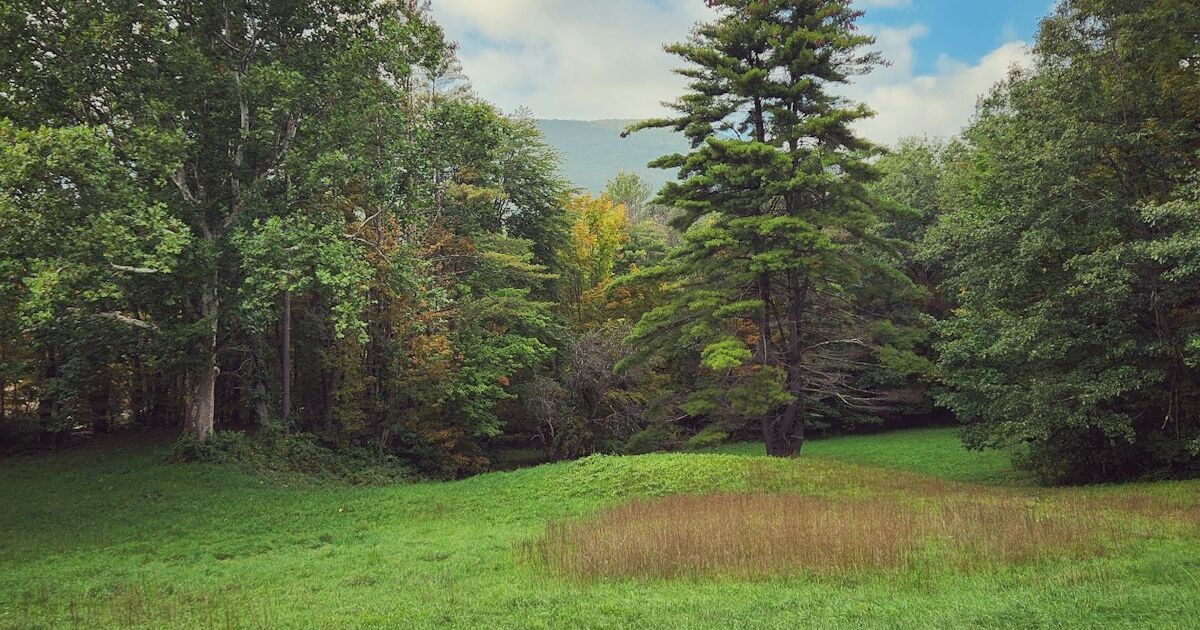
A family I worked with had inherited a wooded parcel off a Class 4 road in the West River valley, not far from Brattleboro. Their father had bought it decades earlier, mostly as a hunting property, and it had sat untouched since. Three adult children inherited it jointly. None of them lived in Vermont anymore, none of them wanted to maintain it or pay the town's grand list tax bill every year, and the road access alone made it a tough sell through a traditional listing.
Once the executor had the proper Letters of Administration from the Windham County probate court, we were able to move forward with a straightforward cash purchase. Their attorney handled the title search and closing exactly as it would for any other property sale in Vermont. The siblings split the proceeds according to the estate, and none of them had to deal with brush-hogging a road or worrying about who'd maintain the culvert before spring mud season.
I've seen similar situations play out near Barton in the Northeast Kingdom, and on old farmland edges in the Champlain Valley near Vergennes, where land got divided among cousins two or three generations back and finally needed sorting out.
If You're an Heir Trying to Decide
Every estate is different, and every family's situation with land is different too. Some parcels make sense to keep for the next generation. Others are a burden nobody asked for, with tax bills, Act 250 questions, or access issues that are easier to hand off than manage from out of state.
If you're an heir, or an executor, working through inherited Vermont land and wondering what it's actually worth or whether selling makes sense, I'm happy to talk it through with no pressure. I buy land directly for cash, work around your timeline and the probate process, and I'm always straightforward about what I can offer and why.
Reach out anytime for a free, no-obligation cash offer on inherited Vermont land. It costs nothing to find out where things stand.