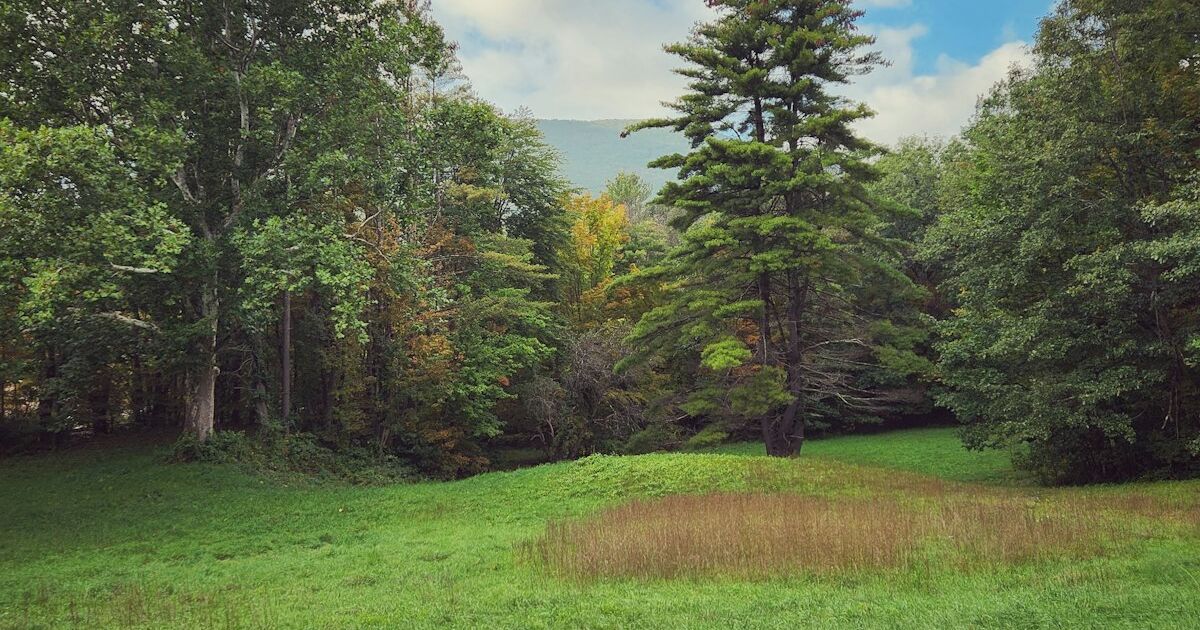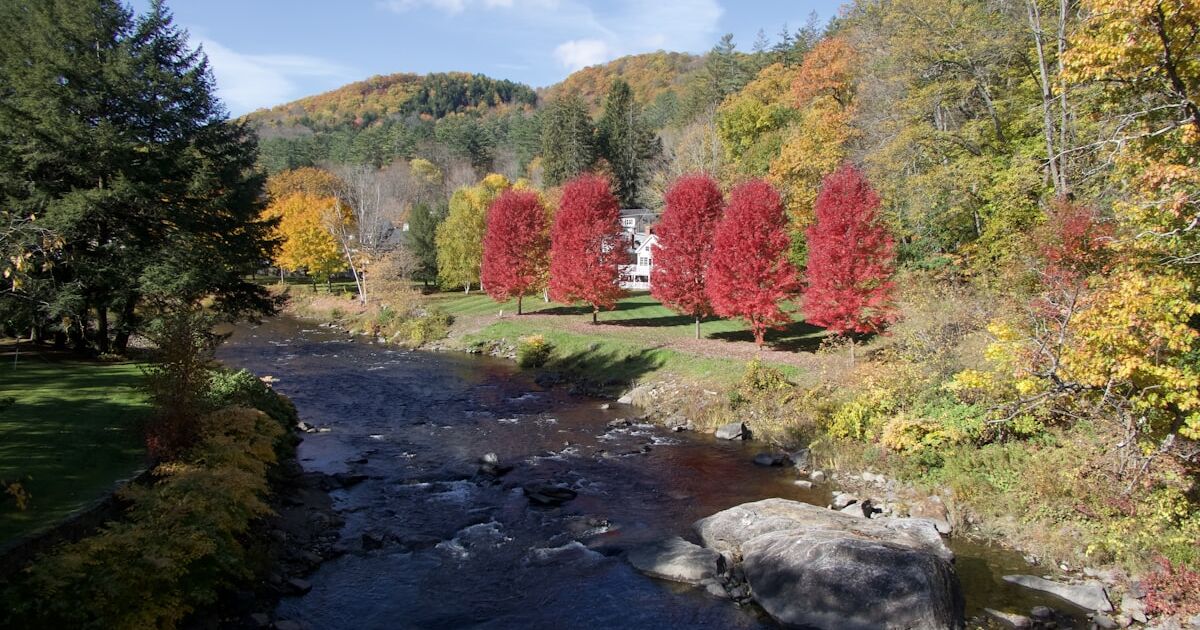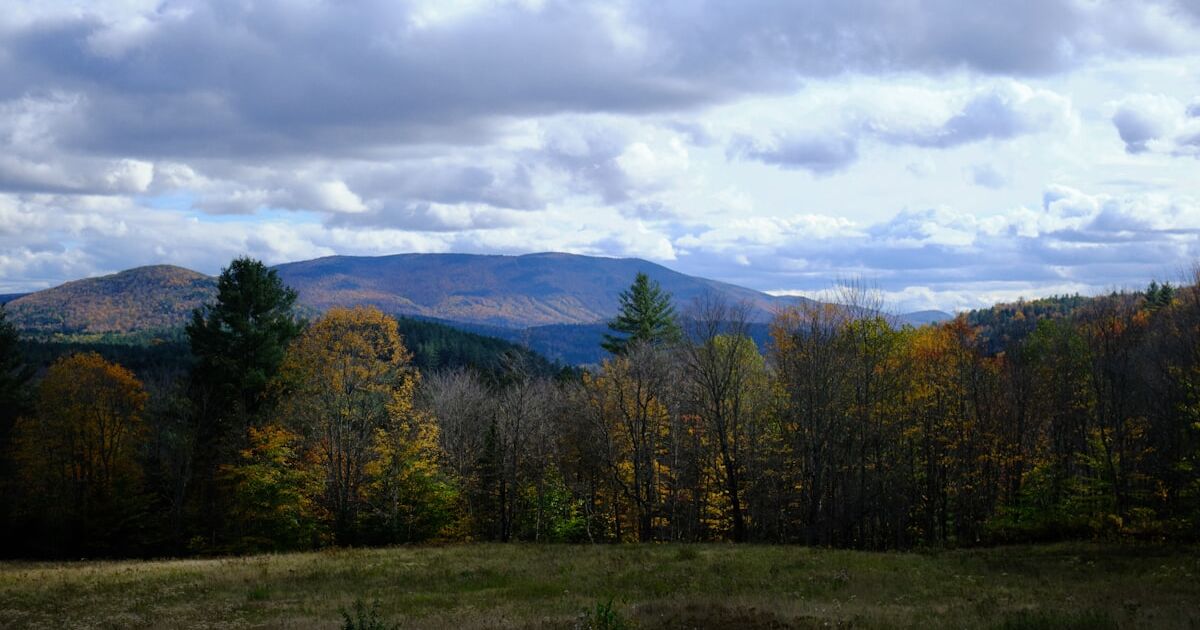

I get some version of this question almost every week from someone selling land in Windham County: "Do I need an Act 250 permit to sell my land?" The short answer is almost always no. But the long answer is worth understanding, because Act 250 is one of those things people have heard of, half-remember from a neighbor's headache years ago, and now assume applies to their own quiet, undeveloped lot outside Newfane or up on a hillside in Marlboro.
Act 250 is Vermont's land use and development law, passed back in 1970. It regulates development, not ownership and not simple sales. If you own a raw parcel and you sell it to someone else who also just holds it as raw land, Act 250 almost never enters the picture at all.
What Act 250 Actually Is
Act 250 requires a permit before certain kinds of development happen in Vermont. It's administered through District Environmental Commissions, and Windham County falls under District 2, which covers most of southeastern Vermont including Brattleboro, Wilmington, Townshend, and the towns along the West River valley.
The law was written to manage growth, protect water and wildlife habitat, and prevent the kind of sprawl that some other states dealt with as ski areas and second-home markets expanded. If you've driven through Dover or Wilmington near Mount Snow, you've seen Act 250's fingerprints on how that growth happened, even if you didn't know it at the time.
But the key word is development. Selling a parcel of woods, meadow, or old pasture as-is, with no subdivision and no construction, is not development in the eyes of Act 250.
The Sale Itself Almost Never Triggers It
If you own, say, 40 acres off a Class 4 road in Jamaica or Whitingham and you sell that whole parcel to one buyer, that transaction on its own doesn't require an Act 250 permit. You're not building anything. You're not dividing the land. You're just transferring ownership, and that happens through a closing handled by a Vermont real estate attorney who does the title work and records the deed at the town clerk's office, the same as any other property sale in the state.
Act 250 cares about what happens to land, not who holds the deed to it. A buyer who wants to keep 40 acres in Newfane as raw land, maybe log it occasionally or just let it sit, isn't triggering anything either.
What Actually Triggers Act 250
The confusion usually comes from a few specific situations that do bring Act 250 into play:
- Subdividing land into multiple lots. If you or a buyer plan to split a parcel into 10 or more lots (or a smaller number in towns without permanent zoning and subdivision regulations, where the threshold can drop to 1 acre), that can trigger jurisdiction.
- Commercial or industrial development over 10 acres. Building a business, a campground, or similar use on a larger footprint.
- Housing developments of 10 or more units built within a five-year period and within a five-mile radius under common ownership or control.
- Development above 2,500 feet in elevation. This matters more in the higher terrain around Stratton, Dover, and parts of the Green Mountain range near Wilmington, where ski-related construction has run into Act 250 review over the decades.
- Any construction on land already carrying an Act 250 permit, since those permits run with the land, not the original owner.
None of these are about the simple act of selling. They're about what gets built, subdivided, or developed afterward.
Why This Confuses Windham County Sellers Specifically
Windham County has a longer history with Act 250 than a lot of the state, mostly because of the ski areas. Wilmington and Dover in particular saw real growth pressure from Mount Snow starting in the 1970s, and Act 250 review became part of the landscape for anyone building condos, lodges, or larger residential clusters near the mountain.
Because of that history, a lot of longtime Windham County landowners grew up hearing about Act 250 fights in the news, at town meeting, or in the local paper. Some of that memory sticks even when it doesn't apply to their own situation. If your family has owned a piece of land in Marlboro or Guilford for two or three generations and you're finally ready to sell it as one undeveloped parcel, none of that history has much bearing on your sale.
Towns like Putney, Townshend, and Brookline, which have less commercial pressure, rarely see Act 250 come up at all outside of larger subdivision proposals. If your land isn't part of a bigger development scheme, it's simply not on the radar.
Where It Can Matter: Existing Permits on the Land
One place Act 250 genuinely does matter for a seller is if a permit already exists on the parcel from a previous owner. This happens more than people expect on land that was once part of a larger tract that got partially developed decades ago, or on land near ski development in Dover and Wilmington where an old permit might still be attached to a portion of a larger holding.
If a parcel carries an existing Act 250 permit, that permit runs with the land, and conditions in it can affect what a future owner is allowed to do. This is something a title search would typically turn up, along with any other recorded conditions, easements, or restrictions tied to the property. It's one more reason the closing attorney's title work matters so much in a Vermont land sale.
Where It Can Matter: Future Subdivision Plans
If you're selling land specifically because you or a prospective buyer are hoping to subdivide it into a bunch of house lots, that's when Act 250 becomes a real factor in the transaction, even if it's technically the buyer's project and not yours.
I've seen this come up on larger parcels along the West River valley, where a piece of land might be attractive to a developer thinking about several building lots with river or mountain views. In towns without permanent zoning and subdivision bylaws, and Vermont still has a number of small towns in that category, the Act 250 threshold for triggering review on subdivided lots can be as low as 1 acre. That's a very different conversation than selling one undivided parcel to someone who just wants privacy and woods.
If subdivision is part of the picture, it's worth understanding upfront, because it can affect timeline, buyer type, and price. But if you're simply selling your land as one whole parcel, this typically isn't your problem to solve.
What This Means If You're Just Trying to Sell
For most people I talk to in Windham County, whether it's a wooded lot off Route 30 near Townshend, an old pasture parcel in Dummerston, or a hillside piece in Vernon, Act 250 simply isn't a factor in getting the sale done. The law is aimed at development activity, not the transfer of raw land between owners.
What actually affects your sale is more likely to be things like:
- Whether the land is enrolled in Current Use and what the Land Use Change Tax situation looks like
- Whether there's clear legal access, especially on parcels off Class 4 roads
- Whether back taxes or liens need to be settled at closing
- Whether the title is clean or has old easements and boundary questions that need sorting out
Act 250 tends to rank pretty low on that list unless there's an existing permit attached to the property or a buyer with big development plans.
If You're Not Sure, Ask Before You Worry
If you're holding a piece of undeveloped land in Windham County and you're not sure whether Act 250 has any history with your parcel, the fastest way to find out is usually a conversation, not months of research on your own. A quick look at the deed history and any recorded permits at the town clerk's office in Newfane, Brattleboro, or wherever your town records are kept can usually clear up the question fast.
I buy land across Windham County directly, for cash, without listing it or waiting on financing contingencies. I've looked at plenty of parcels where sellers were worried about Act 250 for no real reason, and a few where an old permit did need to be understood before we moved forward. Either way, it's rarely the obstacle people expect it to be.
If you own raw or undeveloped land anywhere in Windham County and you're wondering what it's actually worth or whether something like Act 250 could complicate a sale, reach out and I'll give you a straight answer. If it makes sense, I'll follow up with a free, no obligation cash offer, and you can decide from there.
The Rules Are Changing, and Mostly in Sellers' Favor
Vermont overhauled Act 250 in 2024 with a law called Act 181. It created a new Land Use Review Board and started moving the state away from the old one-size acreage triggers toward a tiered, location-based system. The short version: in the most developed areas, called Tier 1A, routine development is being exempted from Act 250 entirely and will need only a municipal permit, while the state focuses Act 250 review on genuinely sensitive land. Most of rural Windham County falls into the middle tier, where, for now, the rules you have always known still apply.
The reform is still phasing in. Through 2025 and into 2026 the Land Use Review Board and regional planners have been drawing the tier maps, so the exact boundaries for your town may not be final yet, and the legislature built in temporary exemptions to keep housing moving in the meantime. One change worth knowing: starting after July 1, 2026, building a new road of 800 feet or more, or roads and driveways together totaling 2,000 feet, can pull a project into review in the middle tier.
None of this changes the core point of this article. Selling your raw land is not a development project, so the reform does not add a hurdle to a straightforward sale. If anything, the direction of the change is toward less Act 250 friction, not more, for the kind of ordinary parcels most Windham County owners are holding.