I get some version of this question almost every week: "How did you come up with that number?" It's a fair question. Land isn't like a house with three bedrooms and comparable sales down the street. Every parcel in Vermont is a little different, and the value comes from a mix of things that aren't always obvious from the road. Here's how I actually think about it.
Location Sets the Ceiling
Where a parcel sits in Vermont matters more than almost anything else. A ten-acre lot in the Champlain Valley near Route 7, with lake views and easy access to Burlington, is going to carry a different value than ten acres of similar terrain tucked deep in the Northeast Kingdom, even if the soil and slope are nearly identical.
Proximity to a village center, a paved road, or a place people actually want to spend weekends changes what buyers are willing to pay. Brattleboro and the West River valley are a good example. Land near Route 30 with a view toward Newfane or Townshend tends to draw more interest than a similar-sized lot twenty minutes down a Class 4 road, simply because access and lifestyle appeal are stronger.
Access: Legal and Physical
This is one I check first on every property. Does the parcel have documented legal access, meaning a recorded right-of-way or frontage on a public road? Or is it landlocked, relying on a handshake understanding with a neighbor that isn't in any deed?
Physical access matters too. A gravel town-maintained road is worth more than a Class 4 road that the town doesn't plow or grade. Class 4 roads can still have real value, especially for recreational buyers, but they narrow the pool of interested buyers and that affects price.
Frontage, Shape, and Size
Road frontage and lot shape affect what's practical to do with the land, even if a buyer has no immediate plans to build. A long, narrow parcel with little frontage is harder to work with than a squarer lot with generous road frontage.
Size matters, but not in a straight line. Five acres isn't automatically worth half of ten. Smaller parcels close to town centers can sometimes carry a premium per acre because there's more demand for smaller, buildable lots. Larger tracts, twenty-five acres and up, often price lower per acre but appeal to buyers looking for privacy, hunting ground, or a woodlot.
Wet Land, Steep Land, and Ledge
Vermont has a lot of beautiful, difficult ground. Wetlands, vernal pools, steep slopes, and exposed ledge all affect what a parcel can be used for. A gorgeous forested hillside might photograph well, but if half of it is unbuildable wetland or a 30 percent grade, that limits future use and lowers value.
I look at soil maps, wetland maps, and topography before I ever set foot on a property, then I walk it to confirm what the maps say. Sometimes the maps are wrong. Sometimes they're right and the seller didn't realize how much of the parcel was compromised.
Current Use Enrollment
A lot of Vermont land, especially larger parcels, is enrolled in the state's Current Use program (technically the Use Value Appraisal program). This lowers the property tax bill by valuing the land for its use as forest or farmland rather than its development potential.
Current Use itself doesn't reduce the underlying value of the land, but it does mean a Land Use Change Tax could come due depending on what happens with the parcel after a sale. I factor this into conversations with sellers so there are no surprises, and I always recommend the closing attorney confirm the exact numbers with the town.
Timber and Forest Cover
If a parcel has standing timber, that has value of its own, separate from the land underneath it. A sugarbush with mature sugar maples, a stand of white pine ready for harvest, or a mixed hardwood lot that hasn't been cut in decades all carry different worth. I look at species mix, maturity, and whether there's been recent logging activity, because a recently cut parcel is priced differently than one with forty years of undisturbed growth.
Views and Water
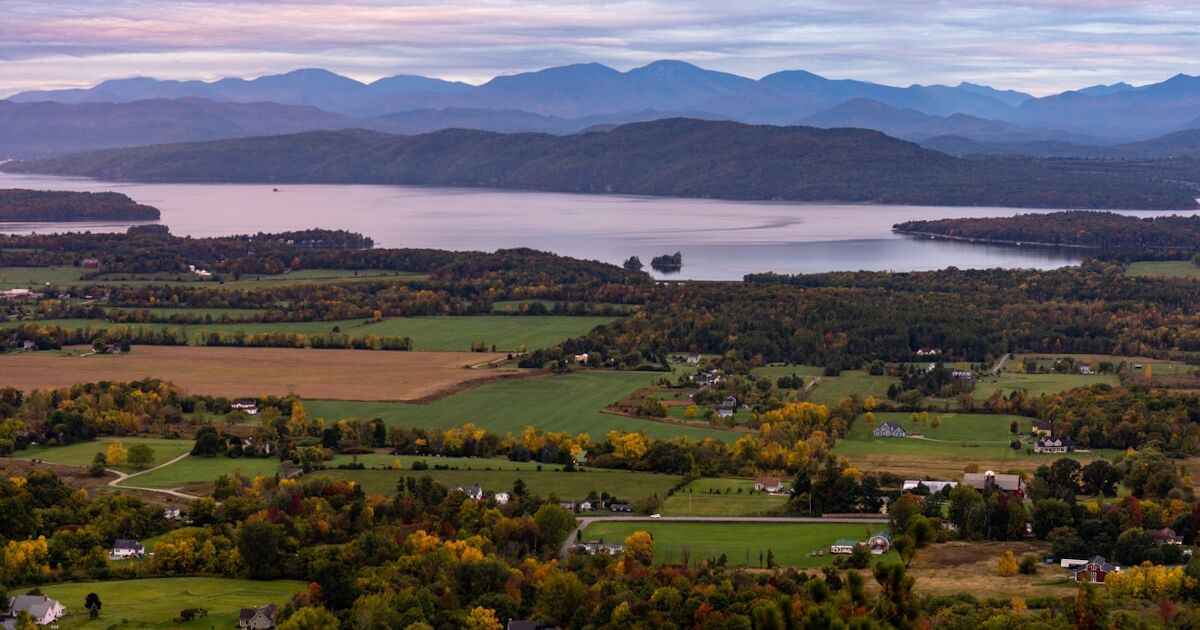
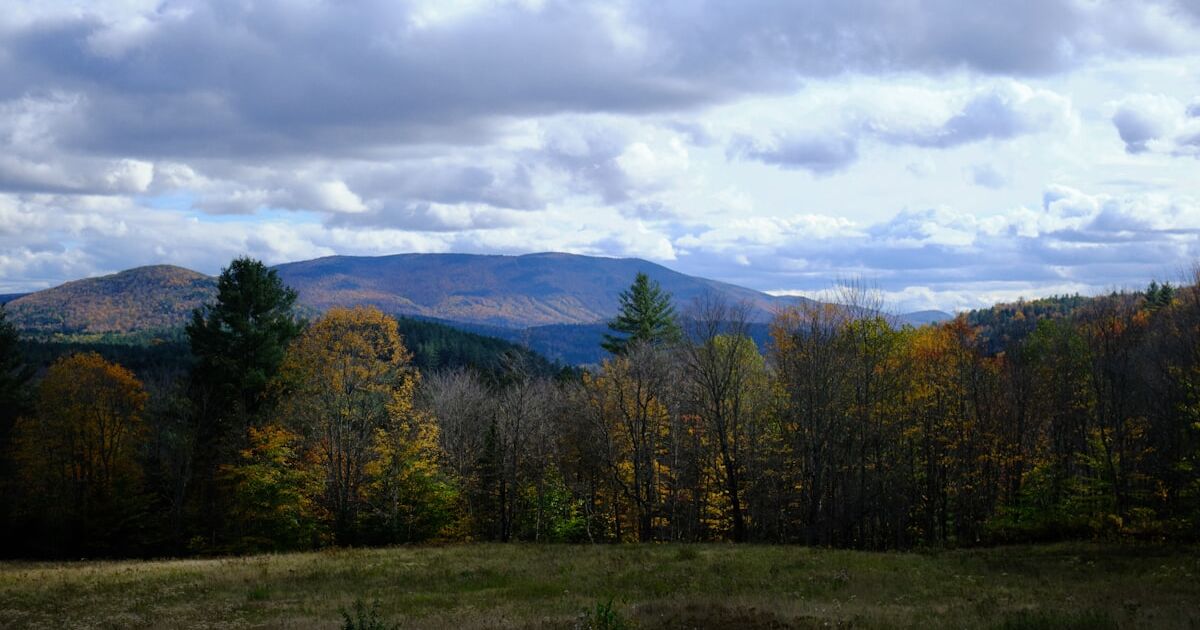
Vermont buyers pay for a view. Long sightlines toward the Green Mountains, a glimpse of Lake Champlain, or an open pasture facing west for sunset all add real value. Frontage on a stream, pond, or river adds appeal too, though it can also bring wetland setbacks and permitting considerations that I factor into the number.
Utilities and Perc Potential
Whether a parcel has power at the road, and whether it has a state-approved wastewater permit or at least evidence it will perc for a septic system, affects value significantly if the buyer's plan includes building. Land with a valid septic permit already in hand is worth more than a similar lot where that's still an open question. If there's no existing permit, I factor in the cost and uncertainty of finding out.
Act 250 Exposure
Most simple, small land sales in Vermont never trigger Act 250 review. It generally comes into play with larger subdivisions or bigger development projects, not a typical single-lot sale. But if a parcel is part of a larger tract that was previously subdivided, or if it's large enough that future development could cross Act 250 thresholds, I look into that history before making an offer, because it can affect what a future buyer is able to do with the land.
Grand List Value and What the Town Says
Every town in Vermont keeps a grand list, maintained by the town listers, that records the assessed value of every parcel for property tax purposes. It's not the same as market value, and it's often outdated or based on Current Use appraisal rather than fair market value, but it's one more data point I check, along with the SPAN number, when I'm researching a property's history.
Comparable Sales, With a Vermont Twist
In most real estate, appraisers lean heavily on recent comparable sales. In rural Vermont, true comparables can be hard to find. Two ten-acre parcels a mile apart might differ completely in access, view, and usable acreage. So I use comparable sales as a starting point, not a formula, and adjust heavily based on the specific characteristics of the parcel in front of me.
How I Actually Build the Number
Once I've gathered all of that, here's roughly how the math comes together:
- I start with a base per-acre range for that town or region, based on recent sales and my own experience buying there.
- I adjust up or down for access quality, road frontage, and whether the land is landlocked or has documented legal access.
- I adjust for usable versus unusable acreage, since wetlands and steep ledge reduce the effective size of the parcel.
- I factor in timber value separately if there's meaningful standing timber worth noting.
- I subtract anticipated costs, like back taxes owed to the town, a Land Use Change Tax if Current Use is being withdrawn, or any title issues the closing attorney will need to resolve.
- I account for the fact that I'm paying cash and closing on the seller's timeline, without financing contingencies, inspection negotiations, or a drawn-out listing period.
That last point matters more than people expect. A cash offer isn't just a number, it's also the certainty of a real closing date without the property sitting on the open market for months while it collects a mortgage payment's worth of carrying costs, or none at all if it's raw land.
A Windham County Example
Say I'm looking at a fifteen-acre wooded parcel off a paved town road in the West River valley, a few miles outside Brattleboro. It has decent road frontage, a mix of mature hardwood, a partial view toward the ridge, and about two acres of wet ground near a seasonal stream. It's enrolled in Current Use and has no existing septic permit.
I'd start with a per-acre range typical for that part of Windham County, adjust down slightly for the wet acreage that isn't usable, adjust up a bit for the road frontage and partial view, factor in the standing timber, and then account for the fact that withdrawing from Current Use would trigger a Land Use Change Tax that needs to be part of the closing math. The final number reflects all of that, not just a flat rate times fifteen acres.
A Northeast Kingdom Example
Compare that to a twenty-acre parcel in the Northeast Kingdom, off a Class 4 road, no view, dense softwood cover, and no documented access easement across the neighboring lot. Even with more acreage, that parcel might land at a lower total value, because the access question narrows who would want it and what they could realistically do with it.
Why This Matters for You
I walk through all of this because I want sellers to understand where a number comes from. I'm not pulling a figure out of the air, and I'm not lowballing based on guesswork. I'm looking at the same things a knowledgeable buyer would look at, just doing it quickly and directly, without an agent or a listing process in between.
If you own raw land in Vermont and you're curious what it's actually worth, I'm happy to take a look and walk you through my thinking. There's no obligation, and no pressure either way.
Get a Free, No-Pressure Cash Offer
If you'd like to know what your Vermont land might be worth, reach out and I'll take a look at the parcel, ask a few questions about its history, and put together a straightforward cash offer. No agents, no listing fees, and no obligation to accept.