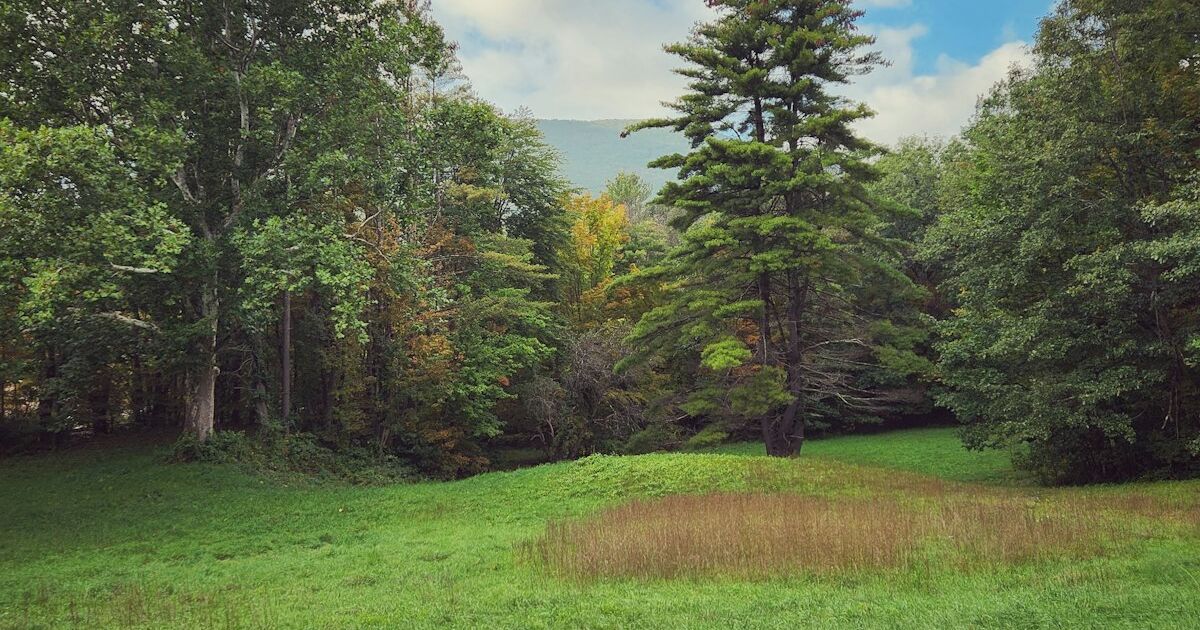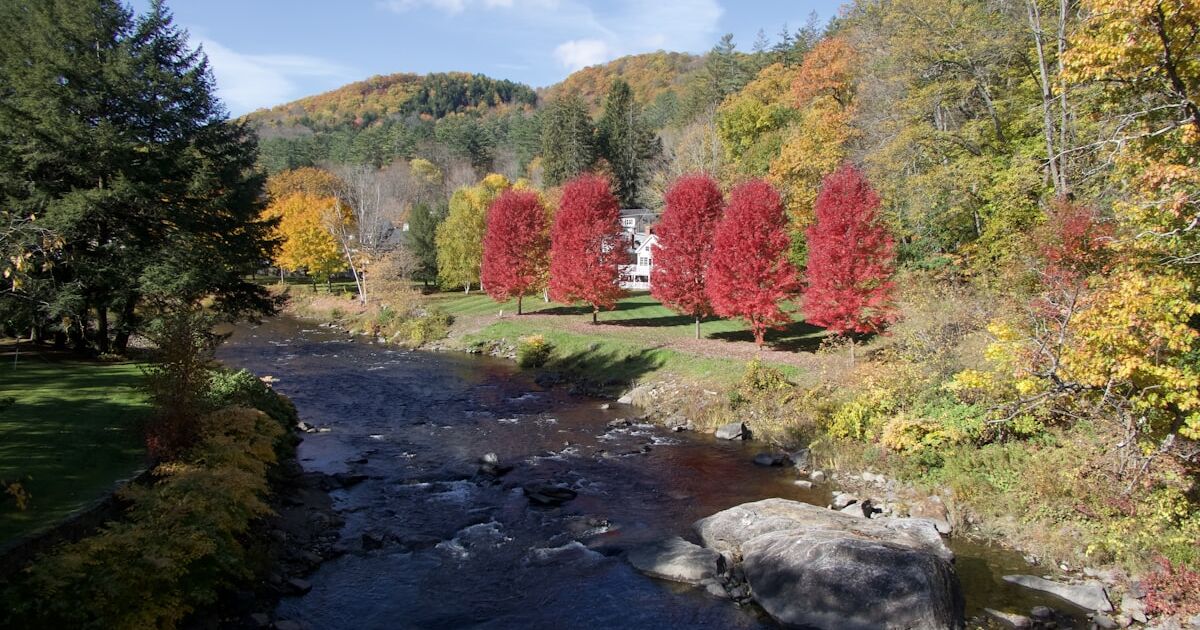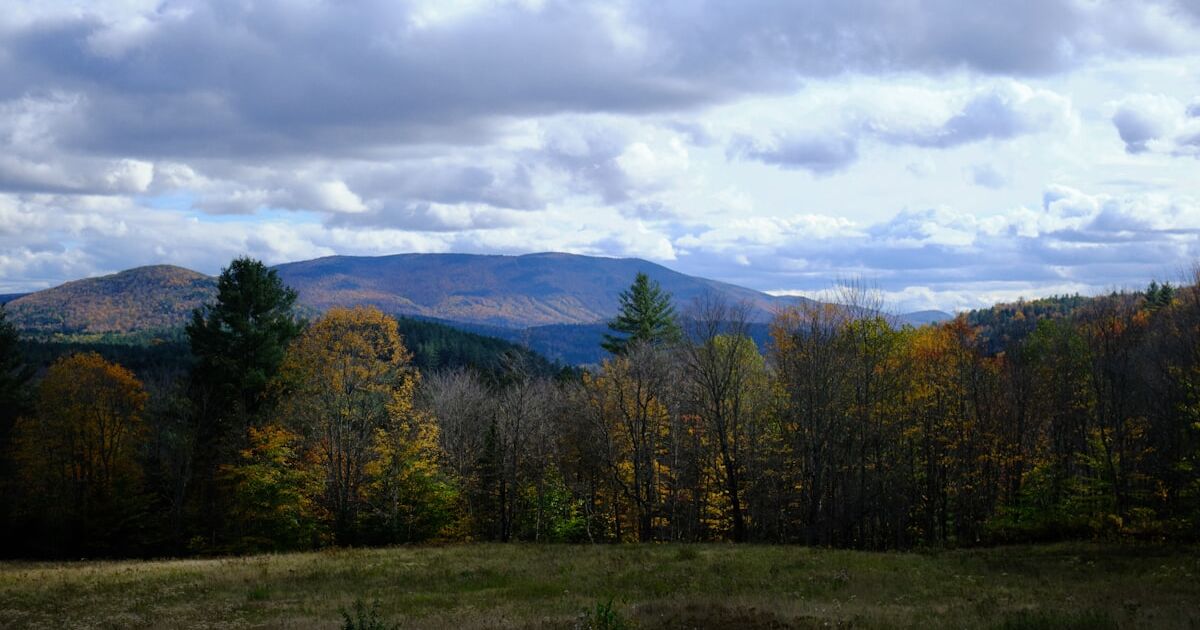
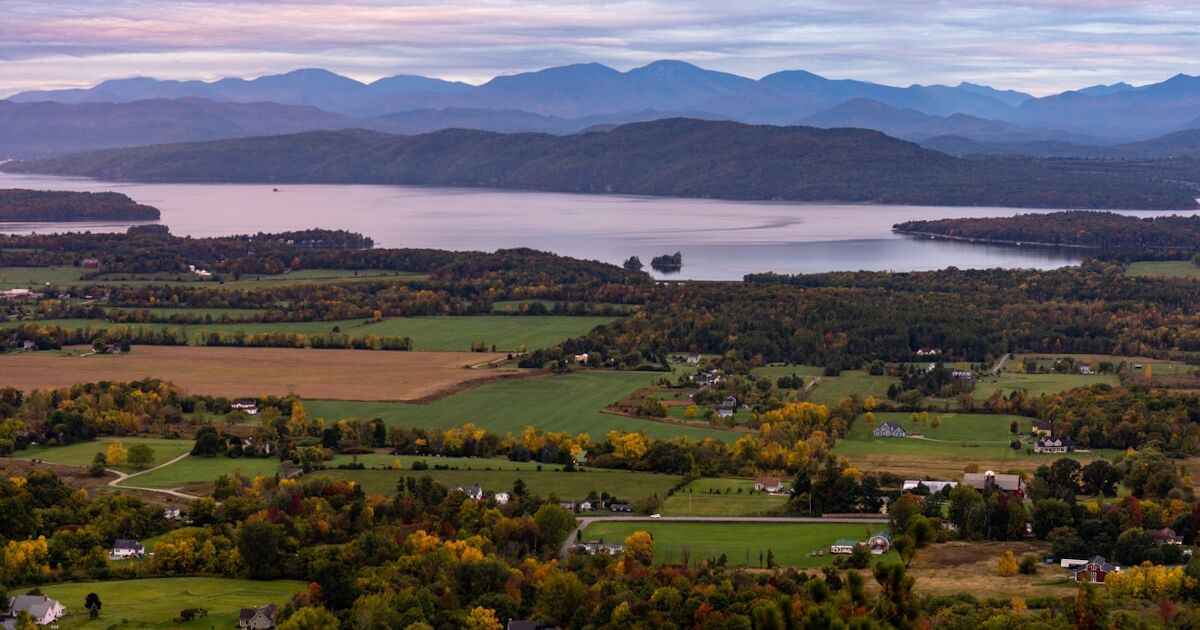
Almost every wooded parcel I look at in Windham County has a story written into the trees. Somebody logged it in the 1970s. A grandfather tapped three hundred trees along the ridge behind Newfane and let the sugarhouse fall in sometime in the 1990s. A landowner in Marlboro or Dover took a "select cut" from a logger who really did a high-grade and left the woods worse than he found them. This history doesn't show up on the deed, but it shows up when you walk the land, and it affects what a buyer is actually willing to pay.
I want to walk through how logging history, sugarbush condition, and forest health actually factor into selling woodland or timberland in this part of Vermont, because most of what gets written about land sales skips right past it.
High-Grading and Why It Matters More Than People Think
A lot of Windham County woods were "high-graded" at some point, meaning a logger came in and took the best, straightest, most valuable trees (usually sugar maple, red oak, white pine) and left the crooked, diseased, or low-value trees standing. It looks like a healthy forest from the road. Up close, it's a forest that's been picked over and will take decades to recover its timber value.
I see this a lot on parcels around Jamaica, Townshend, and the hill towns above the West River valley, where logging happened generations ago and nobody's managed the land since. It doesn't mean the land isn't worth buying. It just means the standing timber isn't worth what an owner might assume based on old memories of "good hardwood back there."
If you're selling, it helps to know:
- Whether the land has been logged in the last 20-30 years, and by whom if you know
- Whether there's a forest management plan on file (common if the land is enrolled in Current Use)
- Roughly what species make up the stand: sugar maple, red oak, white pine, hemlock, ash
You don't need a forester's report to sell to me. I'm just telling you that this information helps me (or any serious buyer) understand the parcel faster, and it can support a fairer number for both of us.
The Ash Problem
Emerald ash borer has been confirmed across a good part of Vermont, including parts of Windham County, and it's changed how buyers think about parcels with a lot of white ash in the mix. Ash was a valuable, useful tree, good for firewood and furniture stock, and it's been dying off in infested areas. If a chunk of your woodland is heavy ash, especially along stream corridors or in wetter lowland stands common near the West River and its tributaries, that's worth mentioning when you describe the property. It's not a dealbreaker. It's just part of an honest picture of what's out there.
What an Old Sugarbush Actually Is When the Sugaring Stops
Windham County has old sugaring history in nearly every town, from Whitingham to Putney. A lot of parcels I look at were sugarbushes at some point and haven't been tapped in years. What's usually left behind:
- Old galvanized buckets rusting in a shed, or worse, still hanging on trees
- Miles of plastic tubing, some still strung tree to tree, brittle and sun-cracked
- A sugarhouse that's structurally shot, with a rusted arch and a roof that's failing
- Tap holes and old scars on the trunks, which don't hurt the tree's timber value much but do tell you it was actively sugared
None of this adds value on its own. Old tubing and a collapsing sugarhouse are more often a cleanup cost than a selling point, and I say that as someone who likes seeing that history on a property. If the sugarhouse is sound and the tubing is recent, that's a different story and worth mentioning specifically, because a rebuilt or well-maintained sugaring operation can actually add real value for the right buyer.
If you're not sure which category your place falls into, that's fine. I'll ask, and if I come look at it, I'll form my own opinion of what's usable and what's scrap.
Current Use and Forest Management Plans
If your woodland is enrolled in Vermont's Current Use program (Use Value Appraisal), the forestland portion is supposed to be under an active forest management plan prepared by a licensed consulting forester, with periodic harvests recommended in that plan. Some owners have kept up with this. Plenty haven't, especially on inherited land where nobody living really understands the enrollment or has a copy of the plan.
I'm not a forester and I don't handle title or tax details. Whether your land is in Current Use, whether it's in good standing, and what the Land Use Change Tax might look like if it's ever developed after a sale, those are questions your closing attorney and the town lister's office can answer with certainty. But knowing whether there's a management plan on file with the county forester's office is useful information to have ready. It tells a buyer whether the woods have had any professional attention in recent memory.
Access Matters More Than Timber Grade
Here's something I tell people constantly: for most buyers, including me, how you get to the woods matters more than what's growing in them. A beautifully stocked stand of northern hardwood on Route 30 outside Townshend with good road frontage is worth more, and sells faster, than a similar stand three miles up a Class 4 road above Wardsboro with no maintained access. Logging trucks, skidders, and future owners all need a way in. If your land has legal access but the actual road is rough, seasonal, or unmaintained, tell me. It doesn't kill a sale. It just needs to be part of the conversation upfront rather than something we discover halfway through.
What This Means If You Just Want to Sell
If you've inherited or own a wooded parcel in Windham County and you're not interested in becoming a part-time forester or hiring someone to manage it, that's completely reasonable. Not everyone wants to hold land and wait for a harvest cycle that might be twenty years out. I buy woodland and former sugarbush parcels as-is, whether the timber was high-graded decades ago, whether the sugarhouse is falling down, whether there's ash dieback along the stream, or whether nobody's walked the boundary lines since your grandfather did.
I'm not buying based on a formal timber cruise or an appraisal. I look at the land myself, ask questions about its history if you know it, and make a straightforward cash offer based on what I see and what I can reasonably expect to do with it. There's no listing, no waiting for a buyer who wants to build a hunting camp or run a sugaring operation, and no back-and-forth over how much the standing timber is theoretically worth.
Old Log Roads, Landings, and Boundary Lines
A logging history leaves marks on the ground that outlast the stumps. The skid trails and landings a crew cut thirty years ago are still there, and so are the culverts and water bars that were supposed to keep those trails from washing out. On a lot of Windham County parcels those drainage features have failed, and a spring rain now runs straight down an old skid road and cuts a gully into the hillside. That is not a reason a parcel will not sell, but it is the kind of thing a careful buyer walks and prices in, and it is worth knowing about before you sit down at a table.
Old logging also has a way of blurring boundaries. When a cut happened decades ago, the line the logger worked to was not always the line on the survey, and I have looked at parcels where a neighbor's older cut crossed onto the property or where nobody is quite sure where the corner pins are anymore. None of that has to stop a sale. It just means the history of the woods and the history of the lines both matter, and both are easier to sort out with a buyer who deals with logged-over land all the time than with one who expected clean, unlogged timber.
You Do Not Need a Cruise to Sell to Me
A lot of owners assume they have to pay a forester to cruise and appraise the standing timber before they can sell. If your plan is to market the parcel to timber buyers, that number matters. If your plan is simply to sell the land and be done with it, it usually is not worth the cost. I make a cash offer on the parcel as it stands, logged-over history and all, so you are not paying for an appraisal of trees you would rather not think about. You can read more about how the process works, see what I do across Vermont land more generally, or just tell me about your parcel and let me get you a number.
Towns I Cover
I look at woodland and timberland across Windham County regularly, including:
- Brattleboro and the surrounding hill parcels
- Newfane, Townshend, and the West River valley towns
- Wilmington and Dover, near the Green Mountain National Forest edges
- Putney and the river towns along Route 5
- Marlboro, Jamaica, Wardsboro, and Whitingham
- Guilford, Vernon, and the towns bordering Massachusetts
If your land is somewhere in this area and you're trying to figure out what an old logged-over stand or a former sugarbush is actually worth, I'm happy to take a look and give you a straight answer.
A Simple Next Step
If you own woodland, timberland, or an old sugarbush anywhere in Windham County and you'd rather sell it plainly than manage it, market it, or wait on a buyer with very specific plans, I'd like to hear from you. Send me a little about the parcel, or just the town and acreage, and I'll get back to you with a real cash offer, no obligation and no pressure to say yes.