The question I hear most about Current Use
When a landowner calls me about selling a parcel that's enrolled in Vermont's Use Value Appraisal Program, the first thing on their mind is almost always the same: "Am I going to owe a big tax bill just for selling?"
The honest answer is: not necessarily. Selling land that's in Current Use doesn't by itself trigger the Land Use Change Tax. What triggers the tax is development, meaning the land gets used in a way that no longer qualifies for the program. A straight sale where the new owner keeps farming, keeps managing the woods, or just keeps the fields and forest as they are usually doesn't set off anything at all.
But there are real situations where a sale does lead to that tax, or at least raises the question at the closing table. I've bought land all over the state that's been in Current Use for decades, and I've seen this play out different ways depending on what the buyer plans to do with it. Let me walk through how it actually works.
What Current Use is, in plain terms
Vermont's Current Use program, officially the Use Value Appraisal Program, lets owners of qualifying farmland and forestland have their property taxed based on its value as working land rather than its full market value. In exchange, the owner agrees to keep the land in agricultural or forest use, and for forestland, to follow a management plan prepared by a licensed forester.
This is a big deal for landowners with acreage, because the tax savings can be substantial year after year. It's also why so much land in Vermont, especially outside the villages and along the ridgelines, sits enrolled.
The tradeoff is the Land Use Change Tax. If the land is later "developed," meaning it's taken out of qualifying use through subdivision, construction, or clearing beyond what the management plan allows, the town assesses that tax based on the fair market value of the changed portion. It's meant to recapture some of the benefit for land that stops being farmland or forestland.
Selling isn't the same as developing
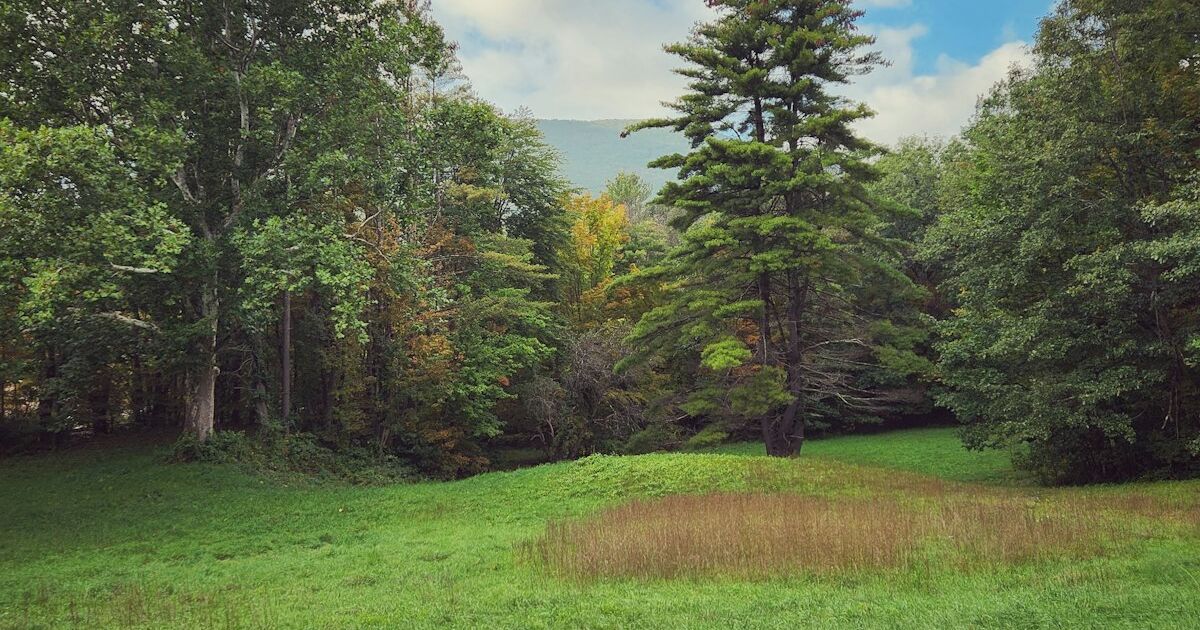
This is the part that trips people up. A change in ownership is not, by itself, a change in use. If you sell your 60-acre wooded parcel in the West River valley to someone who wants to keep it as woods, whether for hunting, sugaring, timber, or just privacy, the land can often stay enrolled. The new owner simply needs to continue the enrollment with the town, keep the forest management plan current, and carry on with the same qualifying use.
Where things change is when the buyer's plans don't match the existing use. If someone buys your Current Use land intending to build a house on a new lot, clear more land than the management plan allows, or subdivide it into smaller pieces that no longer meet the acreage requirements, that's development. And development is what triggers the tax, whether it happens right at closing or sometime after.
So the real question isn't "will selling trigger the tax," it's "will the buyer's intended use trigger the tax." That's a very different conversation, and it changes how you should think about marketing and pricing the land.
A Windham County example
I worked with a family outside Brattleboro who'd inherited about 45 acres in the West River valley, most of it enrolled as forestland under a management plan their father had set up with a local forester years earlier. They didn't want to keep paying property taxes on land nobody in the family used anymore, but they were worried that selling would mean a big Land Use Change Tax bill would land on them at closing.
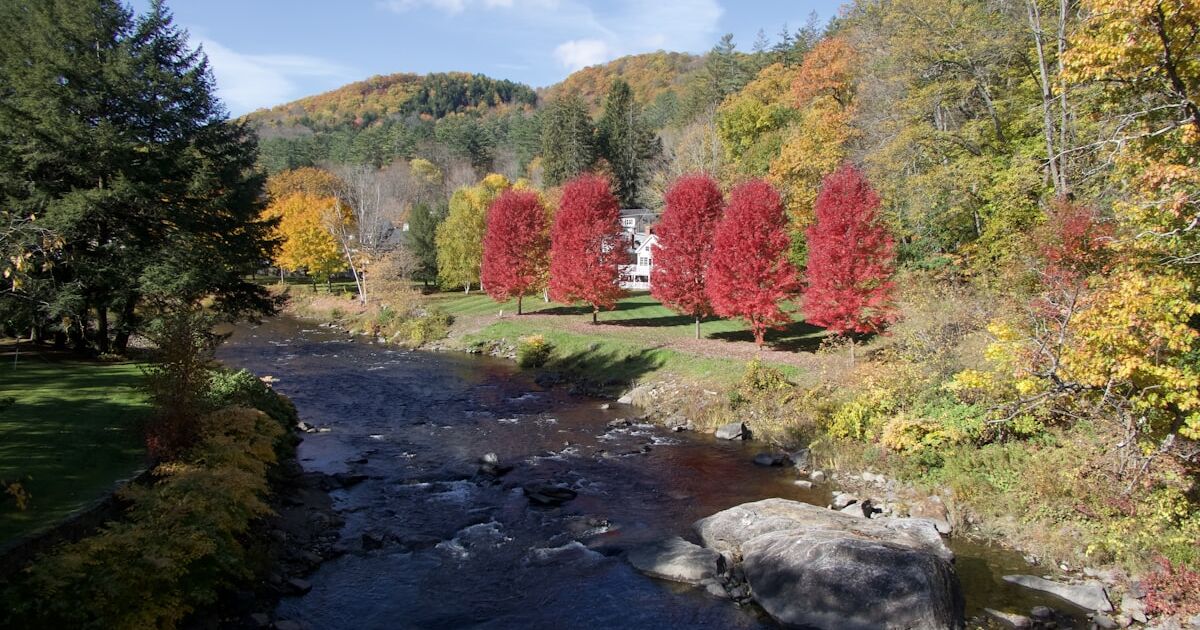
Once we looked at it together, it turned out the most likely buyers for a parcel like that in the West River valley are people who want exactly what it already is: woods, maybe a sugarbush, a place to hunt or just own some quiet land near Brattleboro without a house on it. If the buyer kept it enrolled and simply took over the management plan, there'd be no change tax to sort out at all. The family sold the land, the enrollment carried forward, and nobody owed anything extra to the town for the change in ownership itself.
A Champlain Valley example
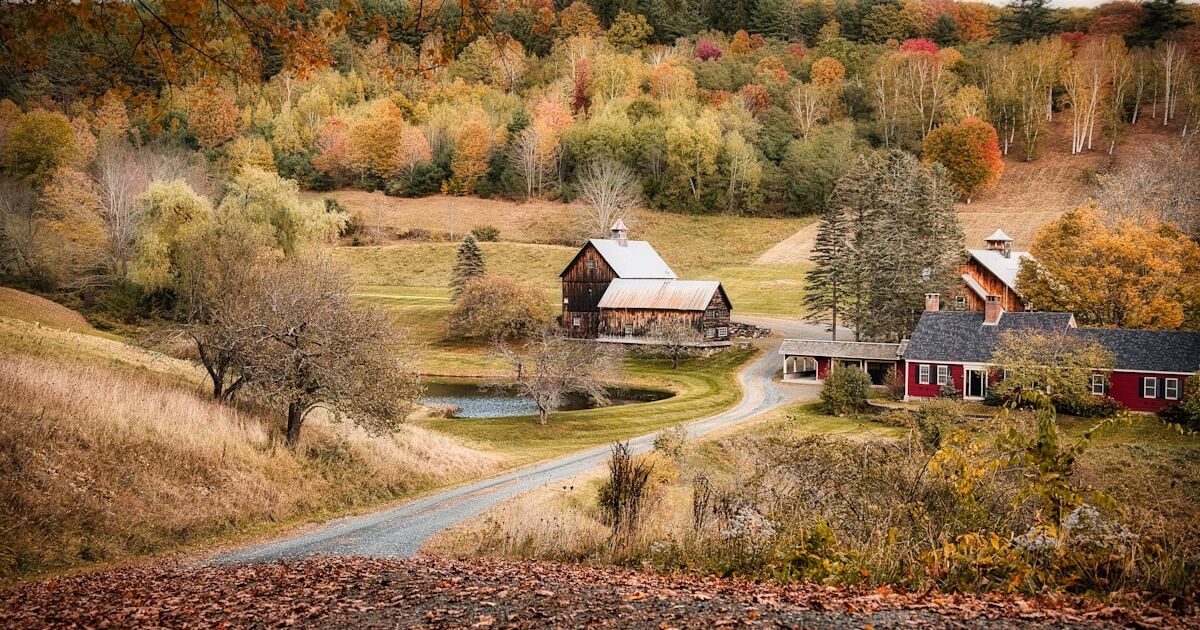
Compare that to a parcel I looked at over in the Champlain Valley, enrolled as agricultural land under Current Use for grazing. The owner had a buyer interested, but that buyer wanted to carve off a couple of acres near the road to build a house, keeping the rest as hayfield.
That's a textbook case where a portion of the land use changes. The house lot itself would likely come out of Current Use and trigger the Land Use Change Tax on that piece, even though the rest of the farmland could probably stay enrolled if it still meets the acreage and use requirements. The seller and buyer needed to understand, before signing anything, that a small tax bill on a small piece of the parcel was part of the deal, not a surprise that showed up later.
A Northeast Kingdom example
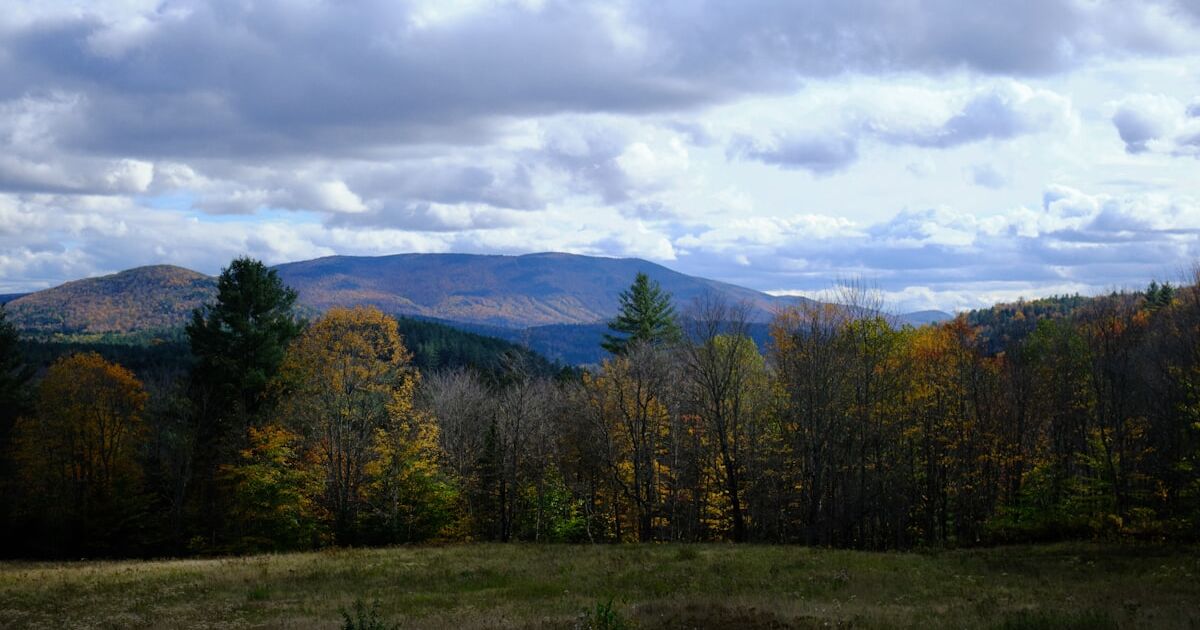
Up in the Northeast Kingdom, I've bought larger timberland tracts, sometimes 100 acres or more, enrolled in Current Use with an active forest management plan tied to a specific forester. In those cases, continuity matters a lot. The new owner needs to either keep working with the existing forester or bring in a new one to take over the plan, and the town needs to see that the management is continuing, not lapsing. If the plan lapses and the land drifts out of qualifying management, that can eventually lead to the town questioning the enrollment even without a formal sale-related trigger.
What sellers should gather before listing or calling a buyer
If your land is enrolled and you're thinking about selling, it helps to have a few things together before you start talking to anyone:
- A copy of your Current Use enrollment application or most recent town notice showing enrolled acreage
- Your parcel's SPAN, which the town clerk or listers can provide if you don't have it
- The forest management plan, if the land is enrolled as forestland, along with the forester's contact information
- Any correspondence from the town listers about the grand list value versus the use value
- Records of any prior partial withdrawals or Land Use Change Tax payments on the parcel, if there have been any over the years
Having this ready doesn't just speed things up. It also helps you and any buyer figure out, before you're at the closing table, whether a change tax is even in play.
How this shows up at closing
I want to be clear about one thing: I'm not the one who calculates or handles the Land Use Change Tax paperwork, and no buyer should be. In Vermont, every closing is handled by a licensed real estate attorney, who does the title search, prepares the closing documents, and records the deed at the town clerk's office. If a Land Use Change Tax return needs to be filed with the town because of how the land will be used going forward, that's part of the closing attorney's work, done in coordination with the town listers and the Vermont Department of Taxes.
What I do, as the buyer, is talk with you honestly upfront about what I plan to do with the land, so there are no surprises. If I'm planning to keep a wooded parcel in current use exactly as it is, we can say that plainly. If part of a parcel might eventually need to come out of enrollment because of how it will be used, that's something the closing attorney sorts out properly, and it gets accounted for rather than discovered after the fact.
Why this matters more for some sellers than others
If you're selling a small, unenrolled house lot, none of this applies to you. But if you own real acreage, farmland in the Champlain Valley, a sugarbush near Brattleboro, timberland in the Northeast Kingdom, this is worth understanding before you set a price or sign anything. The presence of Current Use enrollment doesn't make land harder to sell. It just means the conversation about use, and about what happens to that enrollment after the sale, needs to happen early rather than as an afterthought.
I've also seen sellers assume the worst and price their land low out of fear of a change tax that was never actually going to apply, because the likely buyer was always going to keep the land in the same use. And I've seen the opposite: a seller who didn't realize a buyer's plans would trigger a real tax bill on part of the parcel, which should have been factored into the price from the start. Either way, knowing the difference upfront leads to a fairer deal for everyone.
If you're not sure where your land stands
A lot of Vermont landowners inherited enrolled land, or enrolled it themselves years ago and haven't looked closely at the paperwork since. That's completely normal. The town listers' office can tell you what's enrolled and how, and a licensed forester can tell you whether a management plan is current if the land is forestland.
If you'd rather skip the research and just find out what your land might be worth as-is, that's where I can help directly. I buy Vermont land for cash, as it sits, whether it's enrolled in Current Use or not, and I factor in exactly what I plan to do with it before I ever make an offer. There's no obligation, no agents involved, and no pressure to figure out the tax questions yourself before we talk.
Get a straightforward answer
If you own land enrolled in Vermont Current Use and you're wondering what selling would actually mean for you, reach out and I'll give you a free, no-obligation cash offer. I'll tell you plainly whether my plans for the land would affect the enrollment, and I'll never ask you to sort out the tax questions on your own. That part belongs with the closing attorney, where it should be.