I've talked with a lot of families sorting out land that used to belong to a parent or grandparent. The land itself is rarely the hard part. What's hard is that three or four people who don't always agree suddenly own the same forty acres together, and nobody wrote down what happens next.
I buy Vermont land directly for cash, and a good chunk of the parcels I look at every year come from exactly this situation. I'm not a lawyer, so nothing here replaces sitting down with a Vermont probate attorney. But I've seen the pattern enough times that I want to lay out what usually happens, where families get stuck, and how a sale actually moves forward once several heirs are involved.
How land ends up owned by several people at once
In Vermont, when someone dies owning real estate in their own name, that land typically has to go through probate in the probate division of the Vermont Superior Court for the county where the person lived. If there's a will, the court appoints the executor named in it. If there's no will, the court appoints an administrator, usually a close family member, and Vermont's intestacy law decides who inherits and in what shares.
Either way, if the will leaves the land to "my children in equal shares" or the intestacy statute splits it among siblings, you end up with several people owning one property as tenants in common. Nobody owns "a piece" of it. Everybody owns an undivided share of the whole thing. That's true whether it's two acres or two hundred.
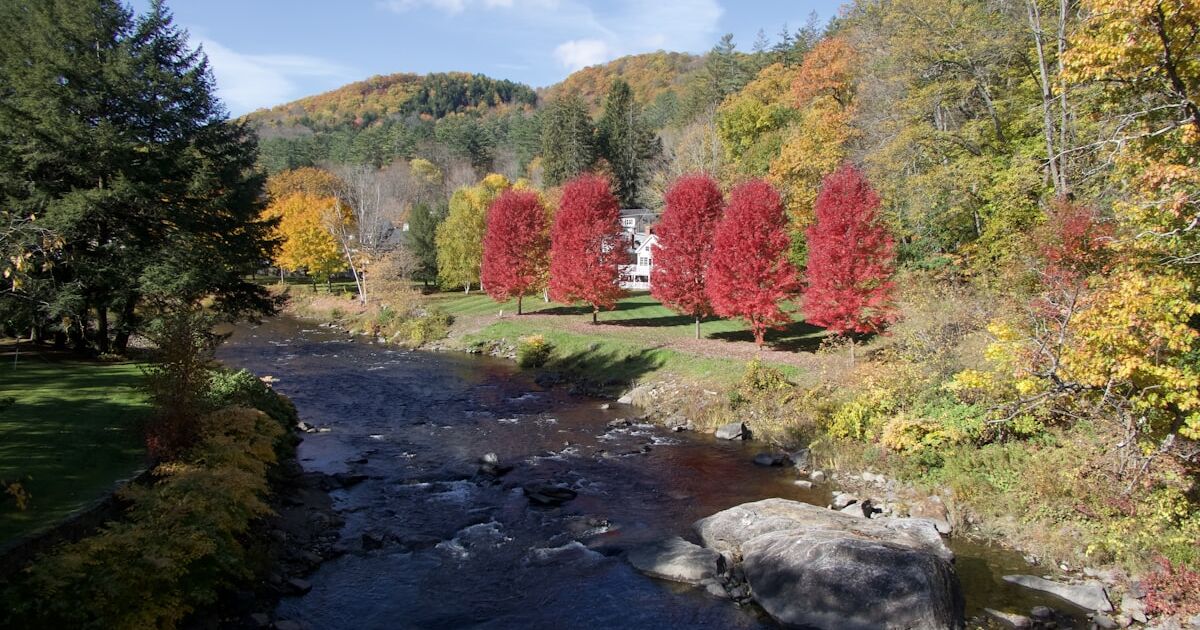
I saw this recently with a family parcel off a back road in the West River valley near Brattleboro. Their father had owned about 60 acres of mixed woods and old pasture for decades, camp included. When he passed, the land went to four adult children. Two lived in Vermont, one was in Massachusetts, one was in Arizona. All four had to agree before anything could happen to that land, and for a while, nobody wanted to be the one who pushed the conversation.
Probate basics every heir should know
A few things I wish more families understood going in:
- Probate in Vermont usually takes several months at minimum, often longer if the estate has debts, missing paperwork, or out-of-state heirs who are slow to respond.
- The executor or administrator has to be formally appointed by the court before they have legal authority to sign anything on the estate's behalf, including a purchase and sale agreement for land.
- Land often can't be sold, or the sale can't close, until the probate court either approves the sale directly or the estate is far enough along that the personal representative has clear authority to convey the property.
- The attorney handling the estate, or a separate real estate attorney, will do the title search, prepare the deed, and record it at the town clerk's office once a sale is ready to close. That part of the process in Vermont is always handled by a licensed attorney, not by the buyer and not by a title company.
If you're an heir and not the executor, your main job early on is patience and paperwork. Death certificates, the will if there is one, and sometimes an inventory of estate assets all have to make their way through the court before anyone can sign a deed.
What happens when heirs don't agree
This is the part that actually stalls sales. I've talked with families where one sibling wants to keep the land, one wants to sell immediately, one wants to wait five years hoping prices go up, and one just wants to be done thinking about it. All four opinions are reasonable. None of them are wrong. But land owned by tenants in common needs everyone's agreement to sell as a whole.
A few ways this usually gets resolved:
- One heir buys out the others. If one sibling wants to keep the property, they can pay the others for their share, usually based on an appraisal or an informal agreement on value. This keeps the land in the family but requires the heir who's staying to come up with real cash.
- Everyone agrees to sell and split proceeds. This is the most common outcome, especially for camp lots, old sugarbush parcels, or land nobody's used in years. Once probate clears title, the personal representative or all the heirs together sign the deed and the money gets divided according to each person's share.
- Partition action. If heirs truly can't agree and nobody will budge, any co-owner can ask the court to partition the property, either by physically dividing it or by ordering a sale and dividing the proceeds. This is slower and more expensive than working it out among family, and I've only seen it come to this a handful of times. Most families find a way to avoid it once they understand it's on the table.
In the Brattleboro family I mentioned, it took about eight months of phone calls and a couple of family meetings before all four siblings agreed to sell rather than have one buy out the others. Once they agreed, the actual sale moved fast because the land itself was straightforward, just some old boundary questions from a 1970s deed that their attorney sorted out during the title search.
Current Use and the Land Use Change Tax
If the land has been enrolled in Vermont's Current Use program, sometimes called Use Value Appraisal, this matters to every heir, not just whoever's handling the estate.
Current Use lowers the property tax bill by valuing land for its use as forest or farmland rather than at fair market value. If land enrolled in Current Use gets developed or the use changes, a Land Use Change Tax can apply. Selling the land to another owner who keeps it in Current Use, including many buyers who plan to hold it as open land, generally doesn't trigger this tax by itself. But heirs should ask the town's listers or a Vermont attorney about the parcel's specific enrollment history before assuming anything, especially if part of the land was used for a homestead or driveway that might not qualify.
I always tell heirs it's worth a phone call to the town listers where the land sits, whether that's Windham County, Caledonia County up in the Northeast Kingdom, or Addison County in the Champlain Valley. Listers can tell you the parcel's SPAN, its current grand list value, and whether it's enrolled, all useful before you get too far into a sale.
Handling the practical side across states and generations
A lot of estate land I see has heirs spread across the country. One sibling still local, others who moved away decades ago and haven't seen the property since childhood. That's fine. It doesn't have to slow things down as much as people fear.
- Documents can be signed and notarized out of state and mailed back.
- The attorney handling the closing can work with heirs by phone, email, and mail throughout, including out-of-state heirs who never set foot in Vermont during the process.
- A buyer who's willing to work by mail and phone, rather than requiring everyone to show up in person, makes this a lot easier on families juggling different schedules and time zones.
I bought a piece of land near Island Pond a couple years back where the four heirs were in Vermont, Connecticut, Florida, and one was overseas for work. We handled everything by mail and email, and their attorney coordinated signatures across all four locations. It took a little longer than a simple local sale, but it wasn't complicated once everyone understood the steps.
Why many families choose to sell rather than keep dividing
Land that's easy to love as a memory is sometimes hard to manage as an asset shared by several owners. Property taxes still come due every year, whether or not anyone's using the land. If it's out of Current Use, or falls out due to a change in use, the tax bill can jump. Someone has to keep an eye on the camp roof, the old fence lines, the driveway that washes out every spring.
When four or five heirs each own a fraction of that responsibility, it's common for one person to end up doing all the work while the others live far away and think about the land twice a year. That imbalance is often what finally pushes a family toward selling, more than any disagreement about money.
Selling doesn't erase the memories. It just moves the responsibility off everyone's plate at the same time, and lets each heir use their share of the proceeds however makes sense for them.
What I do when I buy inherited land
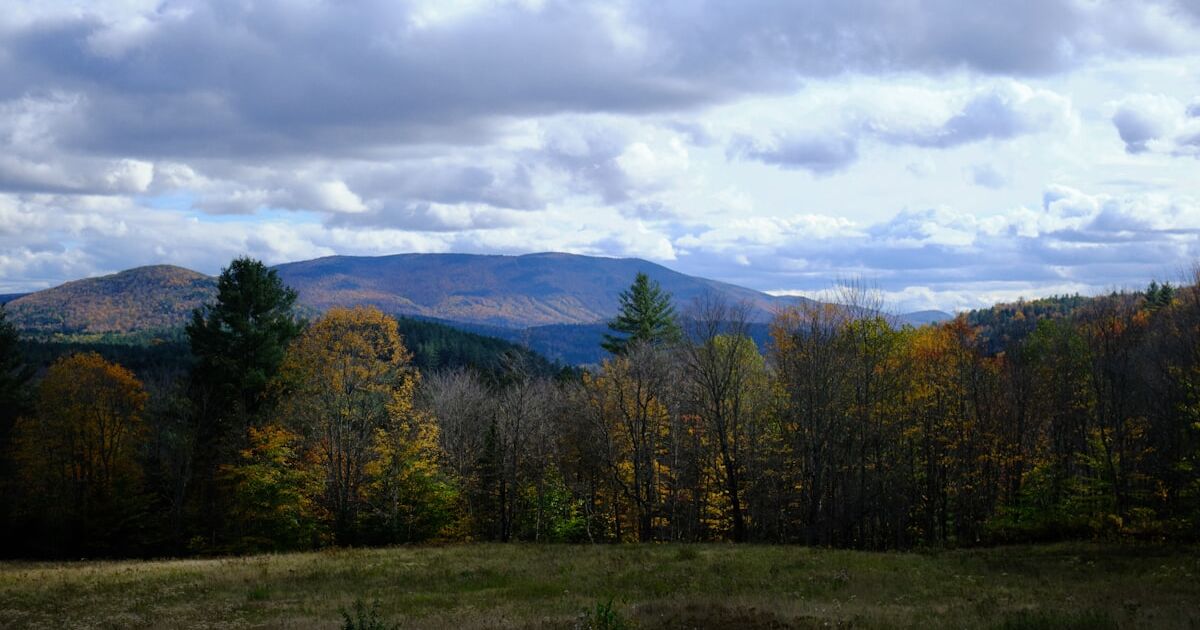
When heirs reach out to me, I keep it simple. I look at the parcel, whether it's overgrown pasture in the Champlain Valley, mixed timber in the Northeast Kingdom, or an old camp lot in the West River valley, and I put together a straightforward cash offer. I don't need the land cleaned up, surveyed, or fixed up first.
Once the estate's attorney confirms the executor or all the heirs have authority to sell, we move toward closing. The attorney handles the title search, prepares the deed, and records it at the town clerk's office. My part is showing up with the funds and treating the family fairly through a process that's often already been emotionally heavy before I ever get involved.
If you and your siblings, cousins, or other heirs are trying to figure out what to do with land you've inherited anywhere in Vermont, I'm happy to talk it through, whether you're ready to sell now or just want to understand your options.
Get a Free Cash Offer
If your family has inherited Vermont land and you're weighing your options, reach out for a free, no-pressure cash offer. I'll work with your estate's attorney and every heir involved, at whatever pace makes sense for your family.