Why I Get More Calls in April Than in January
Every year around late March, my phone starts ringing more. It's not a coincidence. That's when a lot of Windham County landowners drive out to check on their property, or try to, and can't get past the end of a Class 4 road because it's turned into a foot of soup. Mud season has a way of reminding people that owning raw land in Vermont comes with real, physical seasons attached to it, and it often gets people thinking seriously about selling.
I buy land year-round, in every season, in cash, without listings or showings. But I understand why the calendar matters to sellers even if it doesn't change my offer. Here's how the seasons actually play out on land in Windham County, and what that means if you're thinking about selling.
Mud Season: March Into April
Mud season in Windham County usually runs from mid-March through late April, sometimes stretching into early May depending on how the winter went and how much frost is still in the ground. It hits hardest on unpaved town roads and especially on Class 4 roads, the ones the town doesn't maintain in winter or during the thaw.
Windham County has plenty of these. Drive the back roads around Newfane, Windham, Jamaica, or up toward Grafton and you'll find plenty of Class 4 stretches that turn into deep ruts and standing water once the frost starts coming out of the ground. If your land sits off one of these roads, mud season can make it genuinely impossible to reach by regular vehicle for weeks at a time.
This matters for a few reasons if you're a seller:
- A buyer who tries to visit in April may see the property at its worst, stuck at the end of a rutted road, unable to actually walk the land they came to see.
- Photos taken in mud season rarely do a parcel justice. Bare mud, standing water, and gray skies don't sell land the way a green field or fall foliage does.
- Access itself becomes the topic of conversation instead of the land's actual features, which can stall momentum.
I don't need to walk every acre before making an offer, and mud season doesn't scare me off, but I know it scares off a lot of casual buyers who are looking at listings online and imagining a nice afternoon drive to see the property.
Winter: Snow, Plowing, and What "Access" Really Means
Windham County winters are serious, especially as you move up toward Wardsboro, Stratton, and the higher elevations around Mount Snow. Snow load, unplowed Class 4 roads, and short daylight hours all combine to make winter viewings tough on undeveloped parcels.
Some towns plow their Class 3 roads reliably. Class 4 roads are a different story. Legally, towns aren't required to maintain them at all, and in practice many just don't touch them from November through April. If your land is accessed by a Class 4 road, or by a right-of-way over someone else's driveway that only gets plowed when the neighbor feels like it, winter can mean the property is functionally unreachable for months.
This isn't a defect exactly, plenty of camp lots and back land in Windham County have always worked this way, but it's a real seasonal fact that affects:
- How easily a buyer can inspect the property before making a decision
- Whether a septic or well test can even happen (frozen ground makes perc tests impossible)
- How a surveyor can flag boundaries when everything is under two feet of snow
I've bought land in the dead of winter plenty of times. I don't need a perc test or a summer walk-through to make a fair cash offer. But if you're picturing a traditional buyer with a mortgage, an agent, and a home inspector, winter is usually the slowest season for that kind of sale to move forward in Windham County.
Late Spring and Summer: The Easy Season
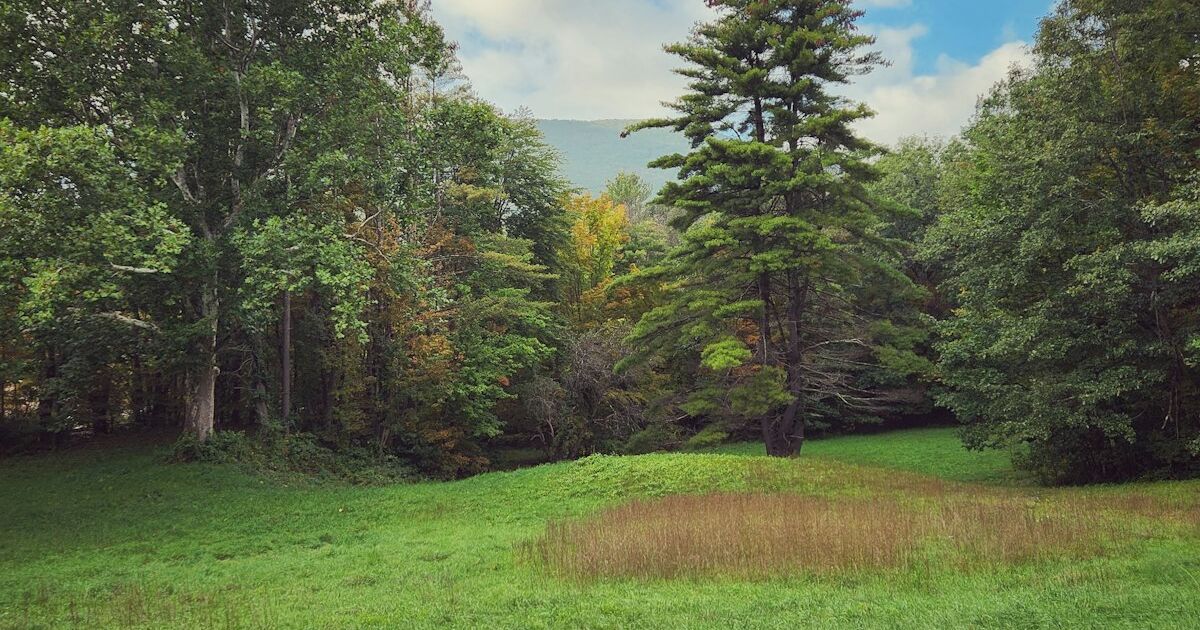
Once mud season dries out, usually by mid to late May, Windham County land becomes a lot more approachable. Roads firm up, the West River valley greens up along Route 30, and land around Townshend, Newfane, and Putney is easy to walk and photograph.
This is when most traditional land listings get the most traffic. Buyers can drive right up, walk the boundaries, picture a building site, check out the sugarbush or the old stone walls. If you're going the agent route and want the widest pool of casual lookers, June through August is when your property shows best.
The tradeoff is that everyone else knows this too. Windham County gets a wave of seasonal buyer interest in the summer, second-home shoppers, people up from Massachusetts and Connecticut looking at Wilmington or Dover, campers eyeing recreational land near the Deerfield River. More traffic can mean more competition among sellers as well as more attention from buyers.
Fall: Beautiful, But Short
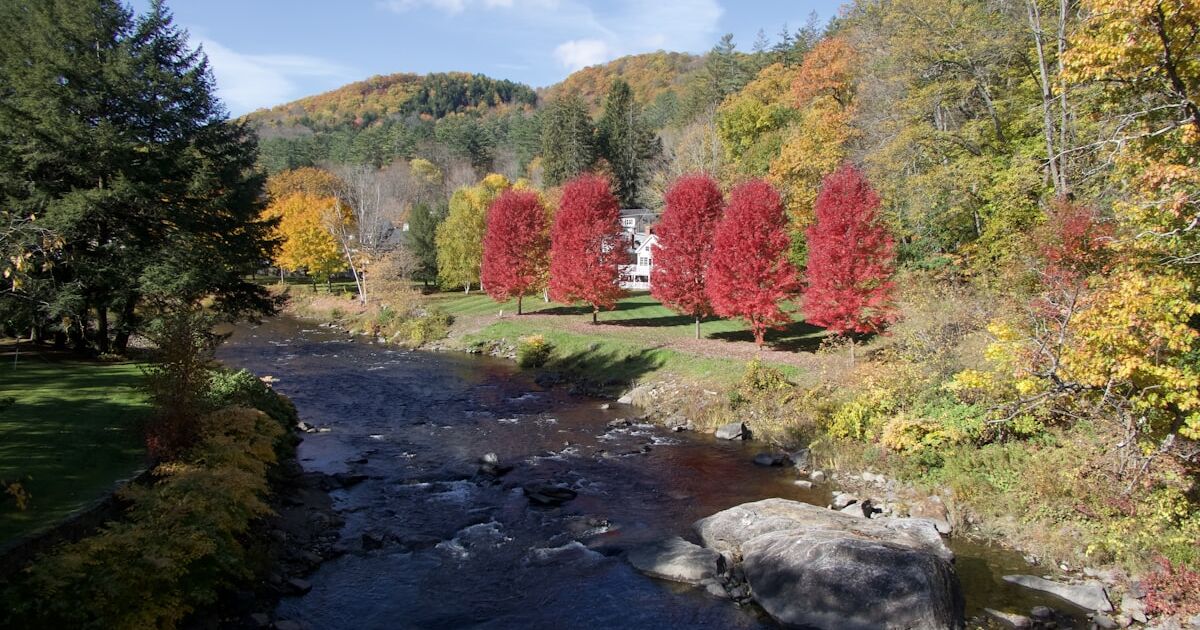
Foliage season in Windham County, typically late September through mid-October, makes land look its absolute best. Anyone who's driven Route 100 through West Dover or Route 30 along the West River during peak color knows why people fall in love with Vermont land this time of year.
It's genuinely a good time to have land looked at. But it's a short window, and it overlaps with hunting season prep, harvest, and the general rush of fall chores that keeps a lot of local buyers and sellers busy. By early November, especially at higher elevations near Stratton or Somerset, the first hard frosts and even early snow can already be changing conditions on the ground.
Why the Calendar Matters Less Than People Think
Here's the thing I want every Windham County landowner to understand: the "best" time to sell land in the traditional sense, meaning when it shows well to casual buyers, is genuinely narrow. Roughly May through October, with a dip during black fly season in June that mostly affects walkability, not marketability.
But that "best time" only matters if your plan is to list the property, wait for showings, and hope a buyer falls in love with it in person. If you're selling directly for cash, the calendar mostly disappears as a factor.
I make offers based on:
- The deed and the parcel's recorded acreage
- Tax records from the town lister's office and the SPAN number
- Whether it's enrolled in Current Use and what that means for a Land Use Change Tax if it comes out
- Aerial maps, topography, and road frontage
- What comparable Windham County parcels have actually sold for
None of that requires me to walk the land in July sunshine. I can make a fair offer on a wooded lot outside Wardsboro in the middle of January just as easily as I can in August. If your land has a Class 4 road access issue, a mud season problem, or sits at the end of a driveway that doesn't get plowed, that's exactly the kind of thing I factor into an offer rather than treat as a dealbreaker.
What This Means If You're Thinking About Selling
If you're picturing a traditional sale with an agent, photos, and buyer showings, it's worth timing your listing for late spring through early fall so the land shows at its best and access isn't a question mark. Get any perc testing or surveying done before ground freezes if you can, since frozen or saturated soil makes both nearly impossible.
If your land has been sitting there through a rough mud season, or you're staring down another Vermont winter wondering how you'll even get someone out to look at it, that's usually the moment people call me. You don't need to wait for the roads to dry out. You don't need to mow a field or clear a driveway so it photographs well. You don't need to time anything around foliage season.
I look at the deed, check it against the town's grand list and any Current Use enrollment, and give you a straightforward cash number. If it works for you, we move toward closing with a Vermont real estate attorney handling the title search, the closing paperwork, and the deed recording at the town clerk's office, the way every land closing in this state works. You don't have to wait for June to make that happen.
What Doesn't Change With the Season
The scenery outside the window shifts from mud to green to gold to snow, but the things that actually determine what your Windham County land is worth hold steady all year. Road frontage and legal access, whether the parcel is buildable, its acreage and topography, any Current Use enrollment, and the recent sale prices of comparable land nearby matter just as much in January as they do in July. That is why a fair valuation never has to wait for the ground to thaw.
The way you get paid can flex to fit you, too. A straight cash sale closes with a lump sum whenever the paperwork clears, and owner financing, the way I prefer to buy, can pay you your full asking price over time with interest as monthly income and protective terms written into the note. Neither one depends on the weather. Whatever season you decide you are ready, the parcel can be researched, an offer prepared, and a closing scheduled through a Vermont real estate attorney without waiting for foliage or first snow.
Get a Cash Offer Whenever You're Ready
Whether it's mud season in Newfane, a snowed-in road outside Stratton, or peak foliage on Route 30 through the West River valley, I'll look at your Windham County land and give you a straightforward cash offer, no showings, no waiting for the ground to dry out. Reach out anytime and let's talk about what your land is worth right now.